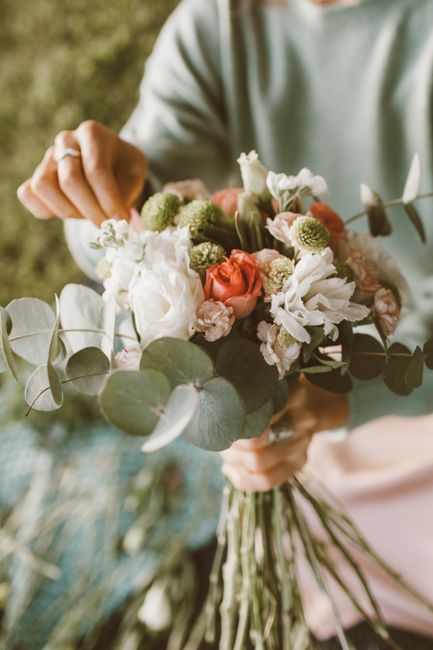
Real cost comparison of Kensington Wedding Flowers and DIY
Posted on 11/10/2026
If you are weighing up Real cost comparison of Kensington Wedding Flowers and DIY, you are probably doing what most couples do at some point: staring at a spreadsheet, a mood board, and a budget that feels a bit too tight for comfort. Wedding flowers look simple from the outside. In reality, they bring together design skill, seasonal pricing, labour, transport, timing, and a fair bit of calm under pressure. DIY can seem like the cheaper route. Sometimes it is. Sometimes it really, really is not.
This guide breaks down the real-world costs in plain English so you can compare like-for-like, not florist quote versus a pile of stems from a supermarket aisle at 9 p.m. We will look at what drives prices in Kensington, what DIY actually involves, where the hidden costs sit, and how to decide which approach gives you the best value for your day.
Practical note: in wedding flowers, the cheapest option is not always the best value. The best value is the one that fits your vision, your time, and your stress threshold. And that last bit matters more than people admit.
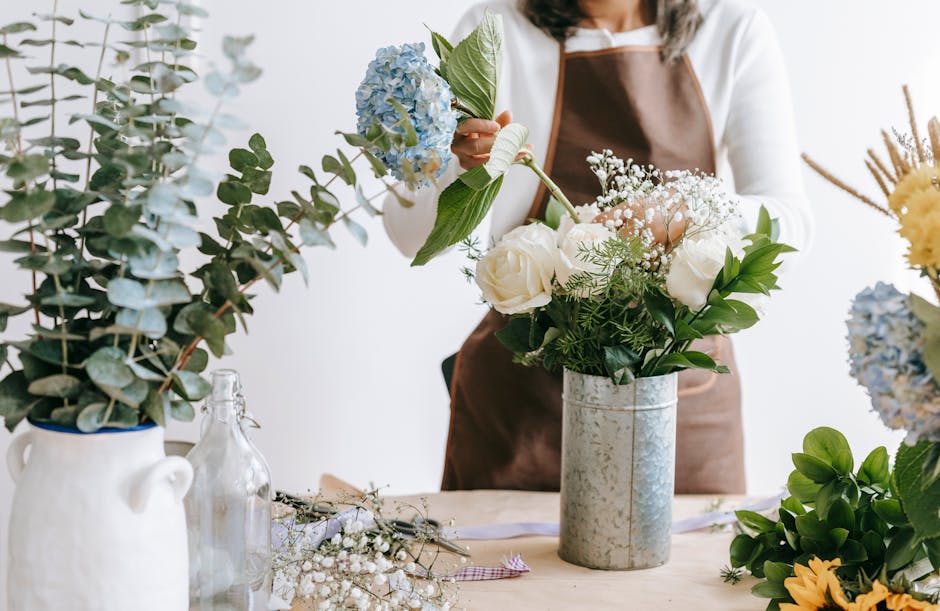
Table of Contents
- Why Real cost comparison of Kensington Wedding Flowers and DIY Matters
- How Real cost comparison of Kensington Wedding Flowers and DIY Works
- Key Benefits and Practical Advantages
- Who This Is For and When It Makes Sense
- Step-by-Step Guidance
- Expert Tips for Better Results
- Common Mistakes to Avoid
- Tools, Resources and Recommendations
- Law, Compliance, Standards, or Best Practice
- Options, Methods, or Comparison Table
- Case Study or Real-World Example
- Practical Checklist
- Conclusion
- Frequently Asked Questions
Why Real cost comparison of Kensington Wedding Flowers and DIY Matters
Kensington weddings often come with a slightly higher expectation level, even when the event itself is modest. Venues can be elegant, guest lists can be selective, and the flowers need to look polished in photographs taken under bright daylight, warm indoor lighting, and the odd phone flash from a well-meaning cousin. That means the floral spend is not just about stems. It is about presentation, reliability, and time.
A proper cost comparison matters because the visible price is only one part of the story. A florist quote may include design work, sourcing, conditioning, arranging, delivery, and setup. DIY may look cheaper because you are only paying for flowers, but you are also taking on the labour, tools, storage, transport, and risk. If you have ever tried to keep roses happy in a warm kitchen while glue gun bits appear everywhere, you already know the vibe.
It also matters because Kensington couples often need flowers to do more than one job. They need to look beautiful in a ceremony, hold up for reception photos, and sometimes travel between venues. That changes the economics. A bouquet for a small registry office ceremony is not the same as a full-day floral plan with bridal party pieces, table arrangements, buttonholes, and aisle accents.
Expert summary: the real comparison is not "florist vs DIY"; it is "how much do you want to spend, how much do you want to do yourself, and how much risk are you comfortable carrying on the week of the wedding?"
For couples exploring professionally arranged options, it can help to look at dedicated wedding flower collections alongside individual pieces such as bridal bouquets, bridesmaid bouquets, and buttonholes so you can compare a proper florist package against a DIY shopping list.
How Real cost comparison of Kensington Wedding Flowers and DIY Works
The simplest way to compare costs is to break both routes into the same categories. That sounds obvious, but people often forget half the line items. A florist quote usually bundles together the parts most couples would rather not manage themselves. DIY separates everything out, which is useful for control, but the savings can shrink once you add the missing pieces back in.
What a florist-led wedding flower cost usually includes
- Consultation and design guidance
- Flower sourcing based on season and availability
- Conditioning and preparation of stems
- Professional arranging and finishing
- Delivery to the venue or getting-ready location
- Setup, if required
- Contingency planning for substitutions
What DIY wedding flowers usually include
- Buying flowers, foliage, and accessories
- Securing tools such as snips, buckets, floral tape, ribbon, wire, and possibly foam alternatives
- Transporting flowers safely
- Storing them at the right temperature
- Conditioning and trimming stems
- Building bouquets, buttonholes, and arrangements
- Making time for mistakes, because there usually are a few
The key is to compare the full workload, not just the bouquet price. A florist may charge more upfront, but a DIY bride or groom often spends a full weekend, plus parts of the week before, managing deliveries and assembly. If you work long hours, have a small flat, or simply do not want buckets taking over the kitchen floor, that time has a real cost too.
In practical terms, your comparison should include:
- Flower materials
- Delivery and transport
- Tools and accessories
- Storage and preparation
- Labour or your own time
- Backup flowers or contingency spend
Once you add those pieces up, the gap between florist and DIY is often narrower than people expect. Not always. Just often enough to make careful planning worthwhile.
Key Benefits and Practical Advantages
There is no universal winner here. The better option depends on your priorities. Still, each route has some clear advantages.
Benefits of using a professional florist in Kensington
- Consistency: arrangements tend to look cohesive across bouquets, buttonholes, and table pieces.
- Less stress: you are not arranging flowers at midnight the day before your wedding.
- Better handling of delicate blooms: some flowers are beautiful but fussy. A florist knows how to work with them.
- Backup planning: if a stem variety is unavailable, a good florist can substitute cleanly.
- Venue-ready presentation: pieces are usually designed to look polished in both person and photos.
Benefits of DIY wedding flowers
- Potential savings: especially for simple designs and limited quantities.
- Creative control: you decide every ribbon, stem, and vase.
- Personal involvement: some couples enjoy making the flowers themselves with family.
- Flexible scale: you can choose to DIY just the centrepieces and leave the bouquet to a florist.
A hybrid approach is often the sweet spot. For example, you might purchase a professionally arranged bridal bouquet from a specialist page such as a bridal bouquet collection, then DIY the reception table flowers with a simple palette of stems and foliage. That keeps the most visible piece polished while reducing overall spend. Not glamorous on paper, but very sensible in the real world.
Truth be told, hybrid options are often the smartest route for couples trying to balance budget and sanity. One elegant bouquet, a few buttonholes, and simpler table arrangements can go a long way.
Who This Is For and When It Makes Sense
This comparison is useful for anyone planning a wedding in Kensington or nearby London areas where costs, logistics, and timing can be a bit tighter than expected. But it is especially relevant if you fall into one of these groups.
- Budget-conscious couples: you want the flowers to look lovely without swallowing the whole decor budget.
- Couples planning small weddings: fewer arrangements make DIY more realistic.
- Hands-on planners: you genuinely enjoy making things and do not mind the extra work.
- Time-poor couples: you may start with DIY in mind, then realise your calendar is already full. Fair enough.
- Anyone wanting a mixed approach: some pieces professionally designed, some done at home.
DIY tends to make sense when the design is simple, the guest list is small, and you have help. It is less sensible when you have a short turnaround, fragile blooms, a multi-venue day, or a wedding week already packed with travel, fittings, and family logistics.
A florist-led route makes more sense if flowers are a central part of the look and feel of the day, or if you want reliable delivery and a consistent finish. If your ceremony starts at 11 a.m. and you are getting ready in a hotel room with limited counter space, DIY can become a bit of a circus. A charming circus, perhaps, but still a circus.
Step-by-Step Guidance
If you want a fair comparison, do not start with the quote. Start with the floral plan.
Step 1: List every floral item you actually need
Write down the essentials: bridal bouquet, bridesmaid bouquets, buttonholes, ceremony flowers, reception table flowers, entrance pieces, cake flowers if needed, and any special tribute arrangements. Many couples underestimate the number of small pieces. Those small pieces are where the budget quietly disappears.
Step 2: Decide which items matter most visually
Usually the bridal bouquet, ceremony focal flowers, and top table are the most photographed. These are strong candidates for professional help. Less visible items, like simpler table jars or spare foliage, can sometimes be DIY-friendly.
Step 3: Compare like-for-like costs
Ask for a florist quote that matches your real list. Then build a DIY shopping list based on the same items. Include stems, foliage, ribbons, floral tape, pins, containers, transport, and any rental or purchase costs for vases and tools.
Step 4: Add your time estimate
This is where many comparisons fall apart. Be honest. How many hours will shopping, prepping, arranging, and tidying take? If you have a busy week, those hours may be more valuable than the money saved.
Step 5: Add a contingency buffer
Flowers are living materials. Some open faster than you expected. Some arrive tighter than you hoped. Budget for one or two substitutions, a few extra stems, or a backup bunch. It is much calmer to plan for that upfront.
Step 6: Choose the route, or the mix
Once the numbers are in front of you, the answer usually becomes clearer. You may find florist-led flowers are worth it for the main event and DIY is fine for secondary decor. Or you may realise the DIY route is only cheaper if you value your own time at zero. Which, let's face it, is rarely true.
Expert Tips for Better Results
In our experience, the best wedding flower decisions are not the most ambitious ones. They are the ones that stay beautiful under pressure.
Keep the palette tight
Two or three colours usually look more refined than seven. In Kensington settings, understated palettes often photograph better too. White, blush, soft green, and one accent colour can feel elegant without being overworked.
Choose flowers with good staying power
If you are DIYing, pick stems that hold up well out of water and in varied temperatures. Some blooms look incredible for an hour and then droop like they have had a hard week. Not ideal on a wedding morning.
Order a little more than you think you need
Extra stems help cover uneven bunches, broken heads, or a bouquet that feels too small once it is tied. A florist knows this instinctively; DIY planners should build it in.
Work backwards from the wedding day
Plan when flowers will arrive, when they must be conditioned, and who will transport them. If you are doing your own arrangements, give yourself more time than you think you need. Then add a little more again.
Use a hybrid format if you are unsure
Many couples choose a professional bridal bouquet and a handful of key pieces, then DIY simpler reception flowers. That is often the cleanest way to keep the look polished while protecting the budget.
Ask about flower care
Even if you buy from a florist, basic care matters. Trim stems, keep buckets clean, and store flowers away from direct heat. A cool room can make a noticeable difference, especially the day before the wedding.
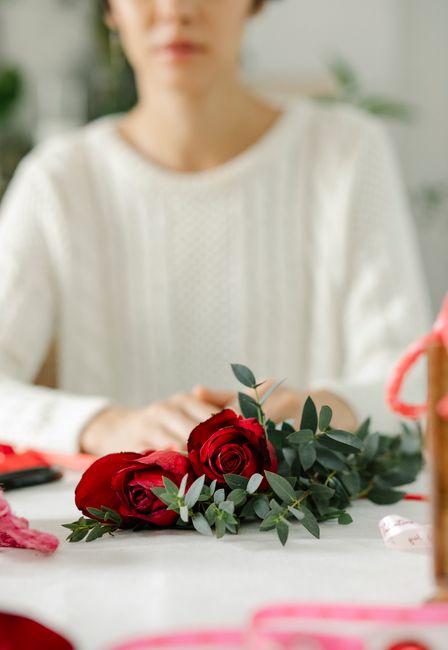
Common Mistakes to Avoid
Most budget blowouts come from a handful of predictable mistakes. Nothing dramatic. Just the usual wedding-week chaos in a floral disguise.
- Comparing only bouquet prices: the full floral package is what matters.
- Forgetting delivery or transport: flowers are awkward to move, especially in quantity.
- Underestimating prep time: conditioning and arranging take longer than they look.
- Choosing too many flower types: variety can increase cost and complexity.
- Buying on impulse: pretty flowers in a shop are not always practical wedding flowers.
- Not planning for heat or travel: a warm car and soft petals do not mix well.
- Leaving DIY to the last minute: the night before a wedding is not the time to discover your ribbon technique is... experimental.
Another common mistake is assuming that cheap flowers equal cheap flowers. A low stem price can still produce a higher total if you need large quantities, special prep, or expensive accessories. Likewise, a florist quote can look high but still save money once labour and waste are taken into account.
Tools, Resources and Recommendations
If you are planning your own comparison, a few simple tools will make the process far easier.
- Budget tracker: use a spreadsheet or notes app to list each item and its cost.
- Reference photos: collect clear images of the style you want so you can estimate quantities properly.
- Measurements: note table sizes, bouquet preference, and venue layout before buying anything.
- Delivery timing plan: build a timeline for receipt, cooling, arranging, and setup.
- Flower care guide: basic care matters, whether you buy from a florist or source stems yourself. A useful starting point is the site's own flower care guidance.
If you are comparing florist costs against DIY, it also helps to browse a few relevant product pages to understand how pieces are typically bundled and styled. For example, a wedding collection such as a wedding collection may give you a better sense of how items work together than looking at stems in isolation. For venues with a smaller floral footprint, a simple table arrangement or a compact corsage can be a smart reference point.
And if your wedding schedule is tight, fast delivery options can matter more than you think. A florist page such as same-day flower delivery in West Kensington or next-day flower delivery can be useful when you need to supplement a DIY plan or replace a missed item.
Law, Compliance, Standards, or Best Practice
For wedding flowers, there usually is not a complex legal framework attached to the flowers themselves, but there are still best-practice issues worth taking seriously. If you are hiring a florist, check the business terms, payment process, delivery details, and refund or substitution policies before confirming anything. That is just sensible, not paranoid.
If you are collecting flowers yourself or transporting them in a hired vehicle, make sure arrangements are secured so they do not tip, crush, or overheat. In a busy London schedule, the journey from florist to venue is often where damage happens. Also, if you plan to use candles, wire, pins, or glass containers alongside flowers, follow the venue's rules carefully. Some locations are strict about open flames, display setup, and access times. That is normal.
Professional florists generally work to accepted industry standards around freshness, safe handling, and timely delivery. From a customer point of view, the most important best practice is simple: confirm your order in writing, check what substitutions may be made, and know who is responsible if timings change. You do not need legal jargon. You need clarity.
If sustainability matters to you, ask about seasonal sourcing, reusable containers, and waste reduction. There is a difference between a beautiful wedding and a wasteful one, and most couples do care about that once they have a moment to think. A little attention here goes a long way.
Options, Methods, or Comparison Table
The table below gives a practical, non-theoretical comparison. Exact prices vary by season, flower choice, quantity, and finish, so think of this as a decision framework rather than a fixed quote.
| Option | Typical upfront spend | Time required | Stress level | Best for |
|---|---|---|---|---|
| Full florist service | Higher | Low | Lower | Polished results, complex weddings, limited time |
| DIY everything | Lower to medium | High | Higher | Simple designs, hands-on couples, flexible schedules |
| Hybrid approach | Medium | Medium | Moderate | Most couples wanting savings without full DIY pressure |
How the costs tend to stack up
A florist-led order may appear more expensive because the quote includes work you would otherwise have to do yourself. DIY starts lower, but the final cost rises when you include every stem, accessory, and spare bit of kit. For example, if you need bridal flowers, bridesmaid bouquets, buttonholes, and table arrangements, the time commitment can easily overtake the savings.
Here is the honest version: if your wedding is small and your designs are simple, DIY can save a meaningful amount. If your plans are more elaborate, the savings can shrink fast. That is the bit many couples only discover after the first flower run. A slightly painful discovery, but useful all the same.
Case Study or Real-World Example
Imagine a couple planning a London wedding with 40 guests. They want one bridal bouquet, two bridesmaid bouquets, six buttonholes, a few ceremony flowers, and simple reception table arrangements. They love the idea of DIY because they have a Pinterest board full of neat little jars and romantic blush roses.
At first glance, DIY seems cheaper. They price up the flowers, ribbon, and vases. But then the hidden items begin to appear: floral snips, buckets, transport boxes, extra stems for mistakes, and the time needed to prep everything the evening before the wedding. One of them works late. The other is dealing with family arrivals and dress alterations. Suddenly, arranging flowers at 10 p.m. does not feel quite as charming.
They decide to split the task. A professional florist handles the bridal bouquet, bridesmaid bouquets, and buttonholes, using a coordinated style from a wedding-focused collection like bridesmaid bouquets and buttonholes. The couple DIY the table jars using simple stems in a narrow palette. The result is balanced: the key photos look polished, and the budget stays manageable.
That approach is very common, actually. Couples often start with "we'll do it all ourselves" and finish with "let's do the important bits properly and keep the rest simple." Sensible. A little less romantic on paper, but much calmer in real life.
Practical Checklist
Use this checklist before you decide between florist and DIY.
- Have I listed every floral item we need?
- Do I know which flowers will be most photographed?
- Have I compared florist pricing against a full DIY shopping list?
- Did I include tools, ribbon, vases, and transport costs?
- Have I allowed time for prep, storage, and setup?
- Do I have a backup plan if stems arrive damaged or open too quickly?
- Am I comfortable arranging flowers under time pressure?
- Would a hybrid approach save money without adding too much stress?
- Have I checked delivery timing and venue access windows?
- Do I understand the florist's terms, substitutions, and payment conditions?
If you can answer yes to most of those, you are in good shape. If not, it may be worth simplifying the floral plan or leaning more on professional support.
Conclusion
The real cost comparison of Kensington Wedding Flowers and DIY is never just about flowers. It is about time, confidence, design quality, delivery risk, and how much of the wedding week you want to spend with stems, buckets, and ribbon offcuts. DIY can absolutely save money, especially for smaller and simpler designs. But once you count labour, tools, transport, and contingency, the gap is often smaller than it first appears.
For many couples, the best answer is not one route or the other. It is a thoughtful mix: professional help for the most visible pieces, simpler DIY for the rest. That gives you control without turning the week before the wedding into a full-time flower workshop. And honestly, that is a win.
If you are still deciding, start with the items that matter most in photos and on the day, then build the budget from there. Clear priorities make the numbers make sense. Funny how that works.
Get a free quote today and see how much you can save.
Whatever route you choose, keep it simple enough to enjoy. The flowers should support the day, not run it.
Frequently Asked Questions
Is DIY wedding flowers really cheaper than hiring a florist?
Sometimes, yes. But only when the designs are simple, the quantity is manageable, and you do not need to buy lots of tools or containers. Once you include your time and the risk of mistakes, the gap can narrow quite a bit.
What wedding flower items are easiest to DIY?
Simple table arrangements, jar displays, basic foliage pieces, and small informal centrepieces are usually the easiest. More technical items like cascading bouquets or complex ceremony installs are much harder to DIY well.
What wedding flowers are worth paying a florist for?
The bridal bouquet is often the first one couples choose to have professionally made, along with bridesmaid bouquets and buttonholes. These pieces are photographed closely and need to hold up all day.
How far in advance should I plan wedding flowers in Kensington?
As early as you reasonably can. For busy periods, early planning is especially helpful. It gives you time to compare options, lock in a style, and avoid last-minute compromises.
Do florists in Kensington offer wedding collections?
Many do, and collections can be useful because they show coordinated pieces rather than isolated items. That makes budgeting and style matching easier. It also helps you compare the cost of a complete set against DIY.
What hidden costs should I expect with DIY flowers?
Common hidden costs include ribbon, floral tape, wire, buckets, snips, vases, transport, extra stems for error margin, and sometimes refrigeration or storage. Those little add-ons pile up faster than people think.
Can I mix florist flowers with DIY flowers?
Absolutely. In fact, it is often the smartest route. You can have a florist handle the key display pieces and do simpler arrangements yourself. That keeps the important flowers polished while reducing the total spend.
Are seasonal flowers cheaper for weddings?
Usually they are more cost-effective and easier to source. Seasonal flowers often look fresher too. Off-season flowers can still be used, but they may cost more and require more careful planning.
How do I keep DIY wedding flowers fresh?
Keep them cool, hydrated, and out of direct heat. Trim stems, change water where needed, and do not leave them in a warm car for longer than necessary. Basic care makes a real difference.
What if I am not confident arranging flowers myself?
If you are unsure, that is a good sign to scale back the DIY plan. A hybrid approach can be far less stressful than trying to do everything yourself. Confidence matters more than optimism here.
Can same-day or next-day flower delivery help with wedding planning?
Yes, especially if you need last-minute extras, replacements, or a quick top-up. Delivery options can be useful when your timeline is tight, though wedding orders are still best planned early whenever possible.
How do I decide between value and price for wedding flowers?
Ask yourself what you are really paying for: stems only, or also time saved, stress reduced, and a polished finish. Value usually means the route that gives you the best overall result for the least amount of worry.